Popular Products Guide
Comparing Natural Supplements and Capsules for Men
This guide compares natural supplements and capsules marketed for men on the Indonesian market. We look at ingredient lists, serving sizes, formats, and the stated intended use of each product — not to rank them, but to present the information in a consistent format so you can compare directly.
How to Use This Guide
The details that matter are on the label
Whether you are looking at a single-ingredient ginseng capsule or a multi-nutrient daily formula, the information that helps you compare products is printed on the packaging. The goal of this guide is not to declare a winner or assign rankings. We present label details — ingredient lists, serving sizes, formats, and stated intended use — in a consistent layout so you can compare popular products for men side by side.
Products available in Indonesia include both locally manufactured supplements and imported brands. Locally produced items typically carry a BPOM registration number, which indicates compliance with Indonesian food and drug regulations for supplements. Imported products may carry their country of origin's regulatory markings alongside their Indonesian distribution registration. We note where each product is manufactured and whether it carries a BPOM number, because that information helps you verify a product's status before purchasing.
Our comparisons are organized by category, not by ranking. Each product entry includes the ingredient list, serving size, format, and our notes on label transparency. We do not assign scores or ratings, because those imply a level of endorsement that we are not in a position to make. What we provide is a consistent, side-by-side reference that lets you make your own comparison based on the criteria that matter to you.
Category One
Single-Ingredient Botanical Capsules
Single-ingredient products contain one active botanical extract and sometimes a base filler like rice flour or cellulose. These are popular among men who want to target a specific area — like daily energy or general vitality — without taking a complex formula. We compare these products by the concentration of the extract, the part of the plant used, and the serving size recommended by the manufacturer.
Ginseng Extract
Single Botanical
Panax ginseng root extract is one of the most common single-ingredient capsules in this category. Labels that specify a standardized ginsenoside percentage — for example, "standardized to 5% ginsenosides" — give more detail about the concentration than labels that simply list "ginseng powder." The part of the plant used (root, leaf, whole plant) also affects the extract profile.
What We Note
- ●Extract concentration and standardization
- ●Plant part used and form (powder vs. extract)
- ●Serving size and daily recommendation
Maca Root Powder
Single Botanical
Maca root is typically sold as a gelatinized powder inside a capsule. Gelatinization is a process that removes starch, which can affect how the powder digests. Some labels specify whether the maca is a blend of root colors (yellow, red, black) or a single phenotype. Serving sizes vary widely — from 500 mg to 3,000 mg per day — so reading the label carefully matters for comparison.
What We Note
- ●Gelatinized or raw powder
- ●Root color blend or single phenotype
- ●Milligrams per serving
Ashwagandha Extract
Single Botanical
Ashwagandha (Withania somnifera) root extract is another popular single-ingredient capsule. Labels that reference a standardized withanolide percentage indicate a more transparent manufacturing process. Some products use a patented extract name while others list only "ashwagandha root powder" — the difference matters when comparing what you are actually taking.
What We Note
- ●Withanolide standardization
- ●Extract name vs. generic powder
- ●Root-only or whole-plant sourcing
Tribulus Terrestris
Single Botanical
Tribulus terrestris extract is typically standardized to a saponin percentage. The label should state the part of the plant used — usually the fruit or aerial parts — and whether the extract is standardized to a specific marker compound. Labels that omit the saponin percentage give less information about the concentration of the active material.
What We Note
- ●Saponin standardization percentage
- ●Plant part used
- ●Serving size per day
A product label should tell you the active ingredients, the amount per serving, the form of each nutrient, and any fillers or binders used.
Category Two
Multi-Nutrient Daily Formulas
Multi-nutrient formulas combine vitamins, minerals, and sometimes botanicals into a single daily serving. These products are designed for men who want one capsule or a small daily dose that covers several nutritional bases at once. A typical formula might include B-complex vitamins, zinc, magnesium, and a moderate dose of ginseng or green tea extract.
Our comparison focuses on whether the doses of each ingredient are meaningful or if they are included in amounts too small to be relevant for daily use. A label that lists twenty ingredients but only includes trace amounts of most of them may not deliver the same value as a formula with fewer ingredients at meaningful doses. Vitamins and minerals for men in these formulas should list each nutrient with its specific amount per serving.
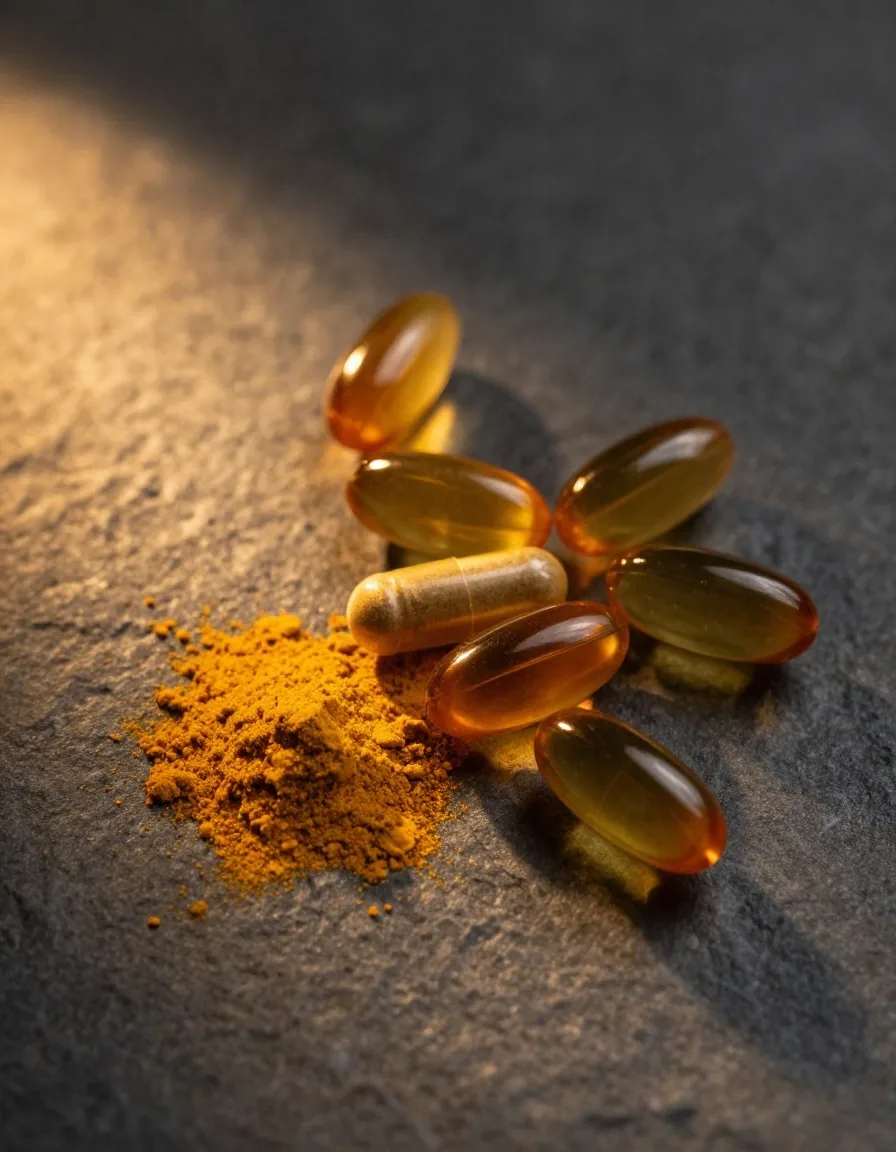
Whether each listed ingredient includes a specific amount per serving, not just a presence in a blend
The form of each nutrient — for example, zinc citrate vs. zinc oxide — because the form affects how the nutrient is described on the label
Whether botanicals in the formula are listed with standardized extract names or only as generic powders
The total number of capsules or softgels per serving, since a "daily" formula that requires four pills may be less practical
Category Three
Energy and Endurance Blends
Energy and endurance supplements combine stimulants, amino acids, and sometimes adaptogens. These are usually positioned for men who train or have physically demanding schedules. We compare them by their caffeine content, whether they disclose all ingredients or use proprietary blends, and whether the serving size is one capsule or multiple. Products that hide their caffeine content behind a blend label are flagged in our notes, because that information is essential for managing your intake.
Caffeine Disclosure
Thermal Marker
Some energy blends list caffeine as a standalone ingredient with a milligram amount. Others bury caffeine inside a "proprietary energy blend" that lists total blend weight but not the individual amounts of each component. A label that says "proprietary blend: 1,200 mg (caffeine, taurine, L-theanine, beta-alanine)" tells you the total but not how much caffeine you are taking. We flag this in our notes because caffeine intake is something most men want to track.
Amino Acids Listed
Blend Component
Common amino acids in energy and endurance blends include beta-alanine, L-citrulline, and BCAAs. Labels that list each amino acid with its own milligram amount are more transparent than those that group them under a single blend total. The form of the amino acid also matters — for example, L-citrulline vs. citrulline malate — because the form changes the amount of active compound per gram.
Adaptogen Inclusion
Blend Component
Some endurance blends add adaptogens like rhodiola, ashwagandha, or cordyceps alongside stimulants. The label should tell you which adaptogen is included, how much is in each serving, and whether it is a standardized extract or a raw powder. When an adaptogen appears only in a blend total without its own amount, the information is less useful for comparison.
Serving Size Reality
Practical Note
A product that lists "1,000 mg per serving" but requires four capsules to reach that serving is different from one that delivers the same amount in a single capsule. We note the serving size in capsules or softgels alongside the listed amount, because a product that requires multiple doses per day may be harder to take consistently.
Category Four
Strength and Vitality Capsules
Products labeled for strength and vitality typically combine minerals like zinc and magnesium with botanicals like maca root and ginseng. These are daily-use capsules intended to support normal physical function over time. We compare the mineral content, the type and concentration of the botanical extracts, and whether the product includes any additional vitamins. The comparison also notes whether the product is marketed as a daily formula or a cycle-based product with recommended break periods.
Mineral Content
Zinc and magnesium are the two minerals most commonly listed in strength and vitality capsules. The label should specify the form of each mineral — zinc citrate, zinc picolinate, magnesium citrate, magnesium oxide — because the form indicates the amount of elemental mineral per gram. We compare the elemental amount per serving, not just the compound weight.
Botanical Extracts
Maca root and ginseng are the most common botanicals in this category. We check whether the label gives a standardized extract name or lists only the raw powder. A product that says "Panax ginseng extract standardized to 5% ginsenosides, 200 mg" gives more information than one that says "ginseng powder 200 mg" without further detail.
Added Vitamins
Some strength and vitality capsules add B-complex vitamins or vitamin D alongside the mineral and botanical base. We note which vitamins are included, at what dose, and whether the dose is listed as a meaningful amount or only a trace presence. Vitamin supplements for men in this category often overlap with multi-nutrient formulas, so comparing across categories is useful.
Daily vs. Cycle-Based
Some products are marketed for continuous daily use, while others recommend cycle-based intake with break periods — for example, three weeks on, one week off. We note which approach the label recommends, because the intended use pattern affects how you compare serving counts and cost over time. Natural capsules for strength and vitality may follow either model.
Practical Differences
Format and Serving Size Comparisons
Capsules, softgels, powders, and liquids each have practical differences that affect daily use. Our guide notes the format of each product and the serving size, because a product that requires four capsules per day may be less convenient than one that requires one.
Capsules
Portable · TastelessCapsules are portable and tasteless, making them easy to take at work or while traveling. They are the most common format for single-ingredient botanicals and multi-nutrient daily formulas. Serving sizes range from one to several capsules per day depending on the concentration.
Softgels
Liquid Fill · Easy SwallowSoftgels contain a liquid fill inside a gelatin shell. They are used for oil-based ingredients like fish oil or vitamin E. Some men find softgels easier to swallow than dry capsules. The liquid format can also improve how the contents are described on the label.
Powders
Cost-Per-Serving · Requires MixingPowders may offer a better cost-per-serving ratio for products you take in larger amounts, but they require mixing and often have a taste that not everyone enjoys. Energy and endurance blends are commonly sold as powders. The serving size is usually measured with a scoop, and the label should list the scoop size in grams.
Liquids
Pre-Measured · Fast UseLiquid supplements come pre-measured in doses measured by the milliliter. They are less common in the men's health category but appear in some botanical extract lines. The label should list the amount per milliliter so you can compare the concentration to capsule or powder equivalents.
Label Reading
What the Labels Tell You
A product label should tell you four things: the active ingredients, the amount per serving, the form of each nutrient or extract, and any additional ingredients used as fillers or binders. We pay attention to whether the label uses standardized extract names, such as "Panax ginseng extract (standardized to 5% ginsenosides)," because that level of detail indicates a more transparent manufacturing process.
Labels that simply list "ginseng powder" without further detail give less information about what you are actually taking. The same applies to mineral forms — "zinc" alone is less useful than "zinc citrate, 15 mg elemental zinc." When a label uses a proprietary blend, the total weight of the blend is listed but the individual amounts of each ingredient within it are not. This is legal under most supplement labeling rules, but it makes comparison harder.
We also check whether the label lists the country of origin for the ingredients, the manufacturing location, and any third-party testing references. These details are not required on every label, but when they appear, they give you more context for evaluating the product. Healthy lifestyle products for men vary widely in how much of this information they include on the label.
Common Questions
Questions About This Guide
Why don't you rank these products from best to worst?
Ranking implies an endorsement we cannot make. We do not test products in a laboratory, and individual needs vary. Our guide presents label information in a consistent format so you can compare based on your own priorities — whether that means ingredient transparency, serving convenience, or the form of a specific nutrient.
Do you update the guide when products change?
Yes. When a manufacturer changes a formula, updates a label, or discontinues a product, we update our guide. Product availability in Indonesia also shifts, and we reflect those changes as we become aware of them. If you notice a label detail that no longer matches what we have listed, you can let us know through the contact page.
How do you choose which products to include?
We include products that are available on the Indonesian market and fall into one of the four categories this guide covers: single-ingredient botanicals, multi-nutrient daily formulas, energy and endurance blends, and strength and vitality capsules. We do not select products based on endorsement or ranking. Our goal is to cover a representative range of what is available so the comparison is useful.
What should I do if a product label is unclear?
If a label uses vague terms, proprietary blends without individual amounts, or ingredient names that do not specify the form, that is information worth noting before you buy. You can contact the manufacturer directly for clarification, or reach out to us through the contact page and we may be able to help you read the label or add the product to our comparison notes.
Continue Reading
Where to Go Next
If you want to go deeper into a specific category or understand how we approach supplement evaluation, these pages cover the next steps. Each one focuses on a single area so you can read what is relevant to your interests.
How We Evaluate Supplements
Read our supplement evaluation criteria — the standards we apply when comparing labels, formats, and ingredient transparency.
→ Read CriteriaVitamins and Minerals
Explore vitamins and minerals for men — the individual nutrients, their forms, and how to read the amounts on a supplement label.
→ Explore VitaminsEnergy and Endurance Options
See energy and endurance options — how stimulant-based blends differ from adaptogen-based ones, and what to look for on the label.
→ See OptionsHealthy Lifestyle Tips
Browse healthy lifestyle tips — practical guidance on daily routines, nutrition, and how supplements fit into a broader wellness context.
→ Browse TipsHave a question about a specific product on the Indonesian market?
Contact Us About a Product